


Optomap Retinal Imaging vs. Traditional Pupil Dilation: What to Expect at Your East Petersburg Eye Exam
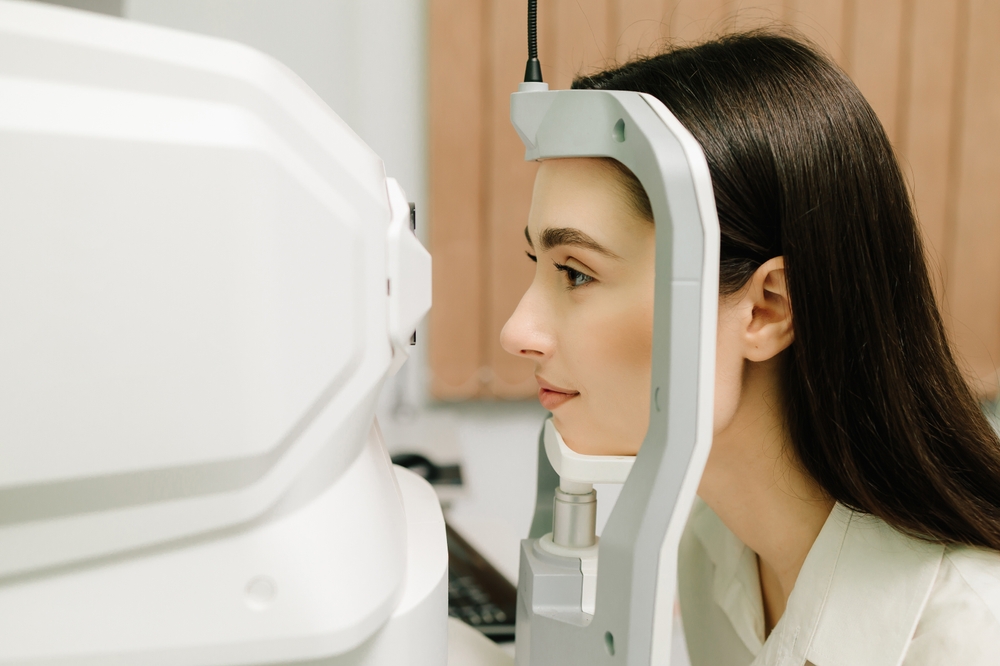
An eye exam checks more than how clearly you can read the eye chart. It also helps us evaluate the retina, the light-sensitive tissue at the back of your eye. At Eye Check Health and Vision in East Petersburg, we use Optomap retinal imaging to support that evaluation. Understanding how imaging and pupil dilation differ can help you prepare for your visit.
What Is Optomap Retinal Imaging?
Optomap captures a wide digital image of the retina, often without dilating your pupils. During imaging, you look into the device one eye at a time while it captures the image. The capture itself takes only a moment, although positioning and additional images may take longer.
The images give us a detailed record we can review and compare with future visits. This helps us monitor changes in retinal appearance over time. Optomap is a useful part of an eye health assessment, but an image alone cannot rule out every eye condition.
What Happens During Pupil Dilation?
Dilation uses eye drops to widen your pupils, giving us a better view inside your eyes. The drops generally take about 20 to 30 minutes to work. We then use lights and examination lenses to assess the retina and other internal structures.
Afterward, you may notice blurry near vision and sensitivity to light for several hours. The duration varies depending on the drops used and how your eyes respond. Bring sunglasses and arrange for someone to drive you home, especially if you are unsure how dilation affects your vision.
Can Optomap Replace Dilation?
Optomap and dilation provide different ways to evaluate eye health. Imaging creates a digital record, while dilation allows us to examine structures directly and investigate areas that may not be adequately captured in a photograph.
We may recommend dilation even after obtaining Optomap images. Your symptoms, medical history, risk factors, and examination findings guide that decision. For example, new flashes or floaters may require a prompt dilated examination to check for retinal problems.
At our East Petersburg office, we explain why a particular test is recommended and how it contributes to your care. Choosing an evaluation should depend on what your eyes need, rather than convenience alone.
How to Prepare for Your Eye Exam
A little preparation can make your visit easier:
- Tell us about recent vision changes, flashes, floaters, or eye discomfort.
- Share your medical history, medications, and family history of eye disease.
- Bring sunglasses and plan transportation in case dilation is needed.
- Allow flexibility in your schedule for drops to take effect and any additional testing.
What to Expect From Your Results
During your East Petersburg eye exam, we review the findings and explain whether further evaluation or monitoring is needed. A retinal image is one piece of that assessment, alongside your vision testing, health history, and examination. If we identify a concern, we discuss the next steps and recommended follow-up.
Schedule your next eye exam with Eye Check Health and Vision in East Petersburg, PA, by calling (717) 500-2962, and let us help you understand the care your eyes need.

All Eye
Care Services

Keep
In Touch

Contact Info
Hours of Operation
- Monday 9:00am - 5:00pm
- Tuesday 9:00am - 5:00pm
- Wednesday 9:00am - 5:00pm
- Thursday 9:00am - 5:00pm
- Friday 9:00am - 5:00pm
- Saturday By Appointment
- Sunday Closed
© 2026 Eye Check Health and Vision. All rights Reserved. Accessibility Statement - Privacy Policy - Sitemap
Powered by:
