


The Role of Sunglasses in Preventing Cataracts and Other Age-Related Eye Diseases
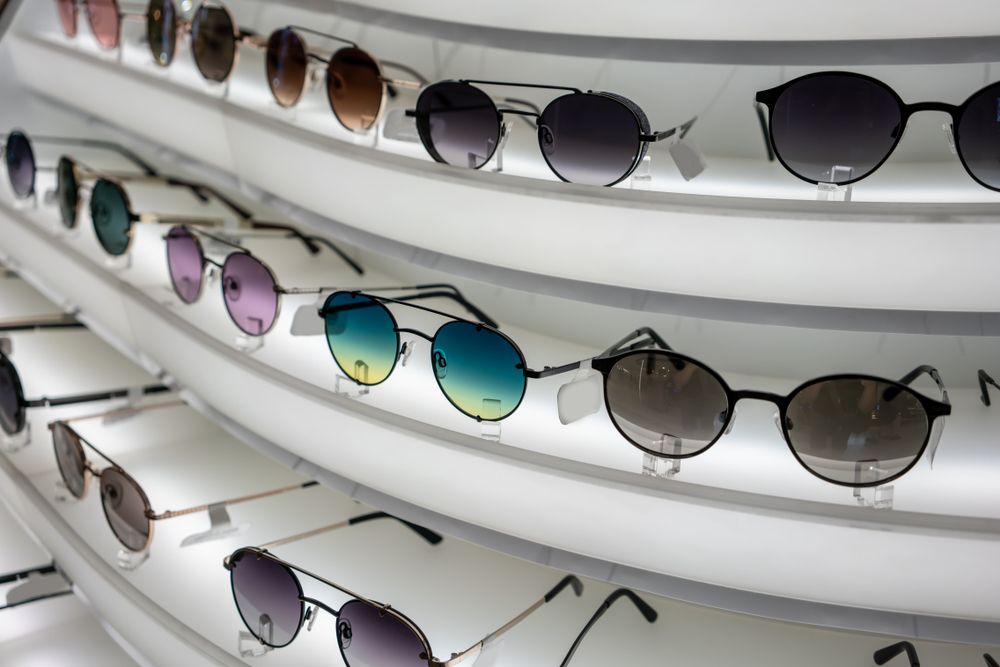
Sunglasses are often viewed as a seasonal accessory, but their role in eye health goes far beyond style. Consistent exposure to ultraviolet (UV) radiation can cause long-term damage to the eyes, increasing the risk of cataracts and other age-related eye diseases. Wearing proper sunglasses is one of the simplest and most effective ways to protect your vision and preserve eye health over time.
How Sunlight Affects Eye Health
Sunlight contains ultraviolet (UV) radiation, which is invisible to the human eye but can cause cumulative damage to eye tissues. Just like skin, the eyes absorb UV rays every time they are exposed to sunlight. Over the years, this repeated exposure can contribute to structural and functional changes inside the eye.
UV radiation is broadly categorized into UVA and UVB rays. Both types can penetrate eye tissues and contribute to damage when exposure is frequent or prolonged. Because UV damage accumulates gradually, people may not notice symptoms until later in life - when vision changes become more difficult to reverse.
Sunglasses and Cataract Prevention
Cataracts occur when the natural lens of the eye becomes cloudy, leading to blurred vision, glare sensitivity, and difficulty seeing at night. Age is the most common risk factor, but long-term UV exposure has been linked to cataract development.
UV rays can alter proteins in the eye’s lens, causing them to clump together and reduce transparency. Over time, this process accelerates clouding of the lens. Wearing sunglasses that block 100% of UVA and UVB rays helps limit this damage and slows the cumulative effects of sun exposure. While sunglasses cannot completely prevent cataracts, consistent use can reduce risk and delay progression.
In addition to cataracts, UV exposure has been associated with several other eye conditions that become more common with age.
Age-Related Macular Degeneration (AMD)
The macula is responsible for sharp central vision used for reading, driving, and recognizing faces. UV and high-energy visible (blue) light may contribute to oxidative stress in the retina, increasing the risk of macular damage over time. Sunglasses that filter UV and reduce glare help minimize cumulative retinal stress, supporting long-term macular health.
Pterygium and Pinguecula
These are growths on the surface of the eye that are strongly linked to chronic sun exposure. Pterygium can extend onto the cornea and interfere with vision, while pinguecula may cause irritation and dryness. Wraparound sunglasses are particularly helpful in reducing exposure from both direct sunlight and reflected UV rays from water, sand, or pavement.
Photokeratitis
Sometimes called “sunburn of the eye,” photokeratitis is a painful condition caused by intense UV exposure. While usually temporary, repeated episodes can contribute to long-term damage. Sunglasses provide essential protection during outdoor activities, especially in bright environments such as beaches, snow-covered areas, or high altitudes.
Not All Sunglasses Are Created Equal
Dark lenses alone do not guarantee protection. In fact, sunglasses without proper UV blocking can be harmful because they cause pupils to dilate, allowing more UV light into the eye.
When choosing sunglasses, look for:
- 100% UVA and UVB protection (or UV400 labeling)
- Lenses large enough to cover the eyes fully
- Wraparound styles to limit side exposure
- Polarized lenses for glare reduction (helpful for comfort, though polarization alone does not equal UV protection)
Sunglasses as Part of a Comprehensive Eye Care Plan
Sunglasses are one piece of a broader approach to eye health. Regular comprehensive eye exams, proper nutrition, management of chronic health conditions, and protective eyewear during sports or work activities all contribute to preserving vision.
Eye exams are especially important because many UV-related eye conditions develop gradually and may not cause noticeable symptoms early on. Detecting changes early allows for better management and personalized prevention strategies.
Find the Right Sunglasses for Your Vision
Sunglasses are far more than a style choice - they are a simple, effective tool for protecting long-term eye health. By reducing exposure to harmful UV rays, quality sunglasses help lower the risk of cataracts and other age-related eye diseases, support visual comfort, and preserve clear vision over time.
Schedule a comprehensive eye exam at Eye Check Health & Vision to assess your eye health and discuss prescription sunglasses and UV protection tailored to your needs. Visit our office in East Petersburg, Pennsylvania, or call (717) 500-2962 to book an appointment today.

All Eye
Care Services

Keep
In Touch

Contact Info
Hours of Operation
- Monday 9:00am - 5:00pm
- Tuesday 9:00am - 5:00pm
- Wednesday 9:00am - 5:00pm
- Thursday 9:00am - 5:00pm
- Friday 9:00am - 5:00pm
- Saturday By Appointment
- Sunday Closed
© 2026 Eye Check Health and Vision. All rights Reserved. Accessibility Statement - Privacy Policy - Sitemap
Powered by:
